
Before You Hire a Technical Director: A Checklist for Live Shows
A practical list of questions to settle before you book a technical director and crew: talkback, camera cueing, schedule control and who answers when something goes wrong.
· · 6 min read
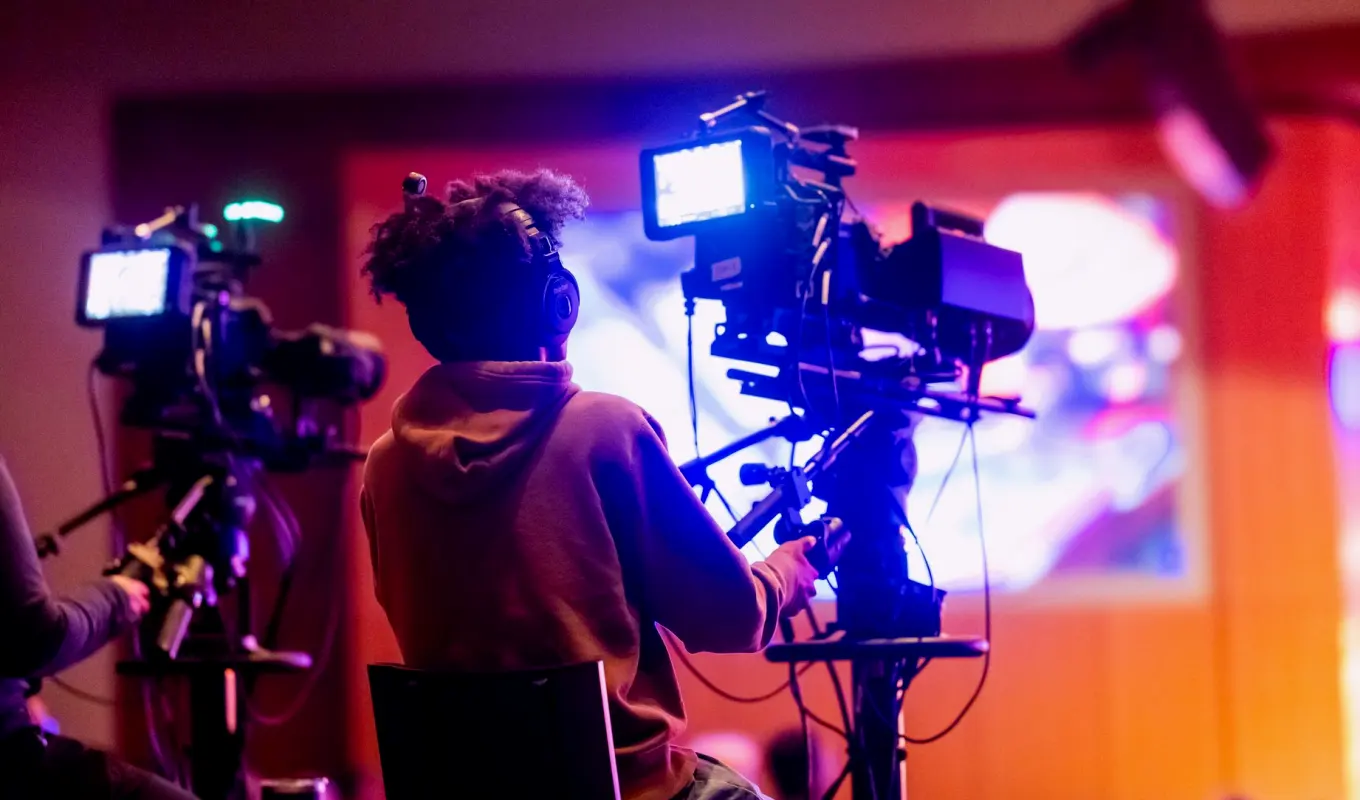
Start with what the show needs from the gallery
Before anyone is booked, write down what your production actually asks of a gallery. A technical director is not a luxury added to a switcher; the role exists because someone has to run talkback, cue cameras and keep the whole production on schedule while others concentrate on their own screens. If your show has two cameras and a single stage, the load is light. If it has six cameras, a roaming presenter, playback and a streamed feed, the load is heavy and needs a named person.
Sit down with your producer and list the moving parts: number of cameras, graphics sources, playback, audio feeds, and any parts of the running order that change at short notice. Hannah on our production side asks for this list before any quotation, because it shapes the crew size more than the venue does.
A one-page summary is enough. It should say what goes to air, who needs to speak to whom during the show, and what would stop the broadcast if it failed.
- Number of cameras and operators
- Graphics, playback and other sources
- Where the show is transmitted or streamed
- Which parts of the running order may change
Talkback: who speaks to whom, and when
Talkback is the nervous system of a live show, and a checklist should treat it as its own item. Ask who will be on the intercom: camera operators, floor manager, audio, lighting, graphics and the gallery. Ask whether each group has its own channel or whether everyone shares one, because a shared channel works for a small crew and becomes noise on a large one.
The technical director decides the discipline. A good one keeps calls short, uses agreed phrases for cueing and keeps chatter off the line during transmission. Agree before rehearsal who has the right to interrupt, and who is only listened to.
Check that headsets are comfortable for a long day and that spares exist. A failed headset in the middle of a festival set costs far more than the few minutes it takes to carry a spare to the stage.
- Separate channels for cameras, audio and floor
- Agreed phrases for cueing shots and graphics
- A spare headset and belt pack on site
Camera cueing and shot planning
Cueing cameras is where a technical director earns the fee. Ask how the person plans shots: do they work from a script, a running order, a set list or by ear? For a concert, the answer is usually a mix, built during rehearsal, so check that rehearsal time is part of the plan and not an optional extra squeezed into a quiet moment.
Ask how camera positions are agreed. Operators need to know their first shot, their fallback and which instrument, speaker or area they own. Where the show repeats a pattern, such as a series of acts on one stage, a short shot sheet saves time and keeps coverage consistent from the first act to the last.
It also helps to settle who is allowed to call a change mid-show. If the director and the vision mixer disagree on air, the production loses seconds it does not have.
- Agreed positions and first shots for each camera
- A shot sheet for repeating formats
- One clear voice for changes during transmission
Schedule, timing and keeping to the running order
Keeping a production on schedule is as much about the day before as the hour of transmission. Ask for a timetable that runs from load-in through rigging, line-up, rehearsal and a final check, with realistic gaps. Rushed rigging shows up later as a failed cable or a camera that is not quite where it was agreed to be.
During the show, the technical director counts the production in and out, calls the cues and watches the clock against the running order. Ask how overruns are handled: who decides to cut, to extend or to go to a holding graphic, and who tells the venue.
Hannah plans this with the client so the answer is written down. If you only discover the decision-maker during a live overrun, the answer is usually whoever shouts loudest, which is rarely the person who should decide.
- A written timetable from load-in to final check
- Agreed rules for overruns and delays
- A named person with the final say
Crew: who is on the team and who is not
Technical direction rarely works alone. Ask what crew comes with the director and what you are expected to supply. Camera operators, a vision mixer, a replay operator, an audio engineer and a streaming engineer are separate roles, and one person covering two of them is a risk you should choose knowingly, not discover on the day.
Ask about experience with your kind of event. A director used to concerts will cue differently from one used to speeches. If your own staff or volunteers will fill some roles, ask whether they need a short practical session first, since an untrained operator on a live camera is a common cause of ragged coverage.
Finally, ask how many hours the crew will work and what breaks they need. Tired crews make mistakes, and a long festival day needs a sensible plan for relief.
- Which roles are covered and which you provide
- Experience with your type of event
- Breaks and relief for long days
Questions to put on paper before you decide
Collect your answers into a short list and take it to every provider you speak to. Ask for the same detail from each, so the comparison is fair. A confident technical director will answer plainly and will mention what they cannot cover as readily as what they can.
Ask what happens when something fails: a dead camera, a lost feed, a late act. The best answers are specific and describe an actual fallback, not a general promise that everything will be fine. Ask who is reachable on the day, and by what means.
Last, ask for the quotation in writing, listing crew, hours, kit and anything excluded. Compare scope before price. A cheaper figure that leaves out rehearsal or talkback is not cheaper once the show is underway.
- Same questions for every provider
- A described fallback for common failures
- A written quotation listing crew, hours and exclusions
A technical director is the person who holds a live show together, so the decision deserves a clear list rather than a quick call. Settle what the show needs, how talkback and cueing will work, who keeps time and who sits on the crew. If you would like to talk it through, write to us through the contact page and we will answer in plain terms.