
Flight case gallery or fixed control room: which suits your venue
A comparison of a rigged flight case control room and a permanent installed gallery, with a plain recommendation based on how often your venue goes live and who operates it.
· · 6 min read
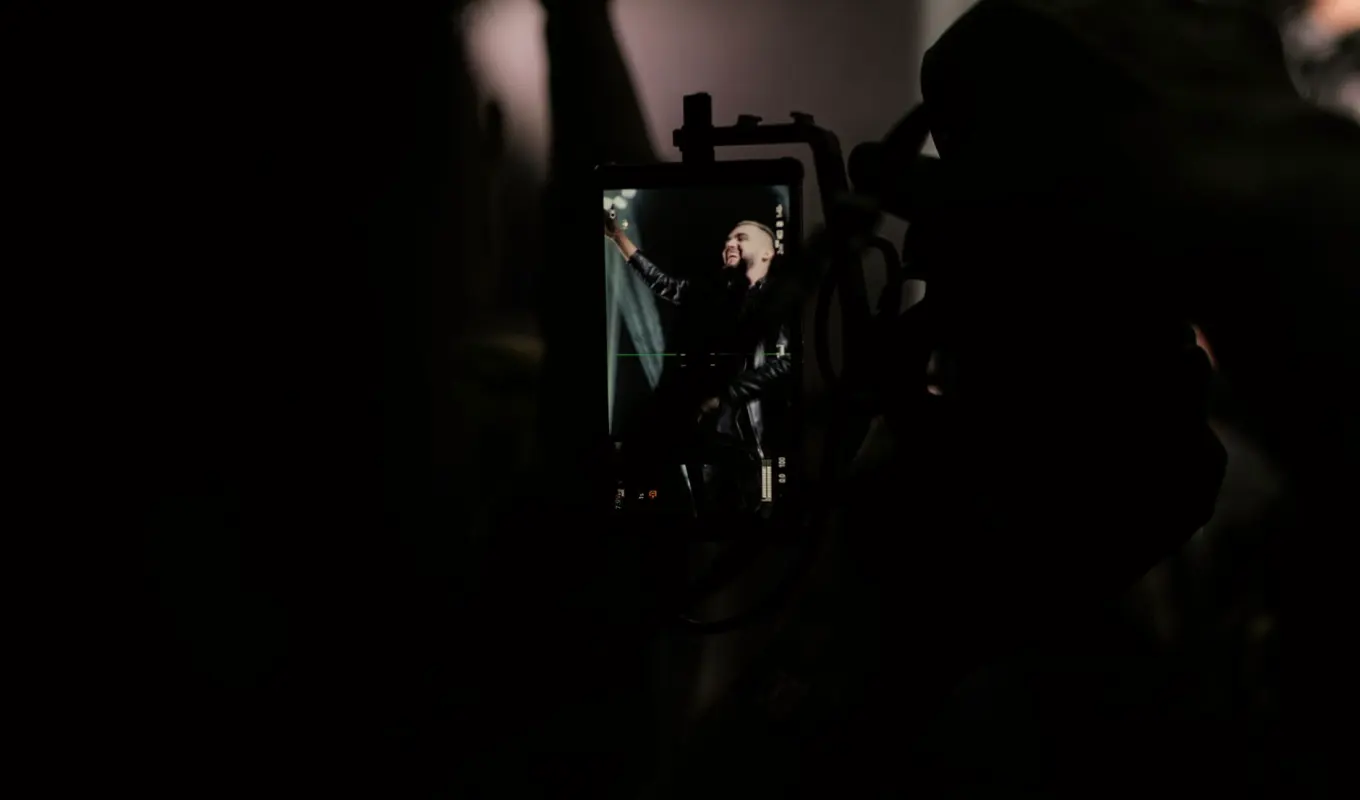
Two ways to build a gallery
When a venue asks us to plan a control room, the first question is rarely about equipment. It is whether the room should travel in cases or stay in the building. Both routes produce a working gallery, but they behave very differently once the first show is over, and the choice shapes budget, staffing and how comfortable the operators are on a long evening.
A flight case gallery is a compact set of racked cases holding the switcher, monitoring, intercom and signal routing. We rig it in a spare room, a backstage corridor or a corner of the hall, run the cabling, and strike it again after the event. A fixed room is a purpose-built space with a proper desk, a monitor wall, fixed cable runs to every camera position and a door that closes.
This note compares the two for the kind of venues and organisers we usually work with: halls, theatres, festival sites and corporate spaces that go live some of the time rather than every night.
What the flight case option does well
The strongest argument for cases is flexibility. A hall that streams four or five events a year does not need a room sitting idle for the rest of it. The kit arrives, is built to a plan we have drawn for that site, and leaves with us afterwards, so the space returns to its normal use the next morning.
Cases also suit sites that change from show to show. If a festival moves its stages, or a theatre uses a different room for a touring production, the gallery moves with it. Because we pre-wire and label everything in our workshop, a rig that looks complicated on the floor usually goes up in a few hours with a short test before doors.
The cost is mostly time. Every rig day includes build, line check and strike, and operators work in whatever space the building offers, which is not always quiet or well ventilated.
- Low upfront cost and no permanent works
- Moves between rooms, stages and sites
- Kit is maintained and updated by us
- Build and strike time is part of every job
What a fixed control room does better
A permanent gallery earns its place where a venue goes live often, say most weeks, or where the same in-house team runs the same shows. Cable runs are installed once, tested once and left alone. Cameras plug into wall boxes, the desk is already at the right height, and the monitor wall is aligned to the operators' eyes rather than to whatever table was available.
The biggest gain is calm. Nobody is trailing cables across a corridor and the intercom is in the same place every time. Operators who work there regularly get faster and make fewer mistakes, simply because nothing about the room surprises them.
The trade is commitment. A fixed room needs a dedicated space, acoustic and power planning, and a budget that is spent before the first transmission. It also fixes the layout, so if the venue changes how it uses its stages, the room can end up pointing the wrong way.
Points that decide the question
We usually settle the choice with a handful of practical questions rather than a general preference. How many live events will the venue realistically host in a year? Will the same people operate the room each time, or will crews change? Is there a space that can be given over to the gallery permanently, with power and ventilation to match?
Frequency matters most. A venue going live a few times a year gains little from a built room, while one streaming every weekend will feel the saving in set-up time within the first season. Staffing matters next, since a fixed room rewards a stable in-house team and a case rig suits visiting crews.
Space is the quiet deciding factor. Many buildings simply have no room that can be taken out of service, and in that case the conversation is already over.
- Number of live events planned each year
- Same operators or changing crews
- A spare room with power and cooling
- Whether stages and layouts stay put
A middle route worth knowing
There is a third option that suits many of our clients: install the fixed parts and keep the rest in cases. That means permanent cable runs, wall boxes and a tidy equipment room, with the switcher and monitoring brought in on a desk when needed. The infrastructure is done once, and the expensive electronics stay under our care and can be upgraded without touching the building.
This approach suits venues that expect to grow into regular streaming but are not sure how fast. The first year runs on cases using the new cabling. If the schedule fills up, the same wiring takes a permanent desk with no further building work.
It does mean planning the cable routes carefully at the start, so we walk the site with the venue before any work is priced.
Our recommendation
For most venues going live fewer than about twenty times a year, we recommend the flight case gallery, ideally with cabling installed in advance if the building allows it. It keeps the upfront spend low, gives you a crew that knows the kit, and leaves the room usable for everything else.
For venues streaming weekly, or with an in-house team that will operate the room, a fixed control room is the better investment. It reduces set-up time to almost nothing and gives operators a consistent place to work.
If you are unsure, begin with cases and review after a season of real events. The numbers will tell you more than any estimate we can give you beforehand.
- Occasional events: flight case gallery
- Weekly or daily use: fixed control room
- Uncertain: install cabling, rig on cases
Neither option is the grown-up choice. A flight case gallery is the sensible start for most venues, and a fixed room is the right answer once live work becomes routine. If you tell us how often you expect to go live, who will operate and which rooms are available, we can walk the site with you and put a plan and a written quotation in front of you before anything is committed.