
How we prepare a multi-camera cut before the first rehearsal
A look at how our vision mixing team gets ready for a concert or festival stage in these autumn weeks, from camera plans and source lists to the switcher layout.
· · 6 min read
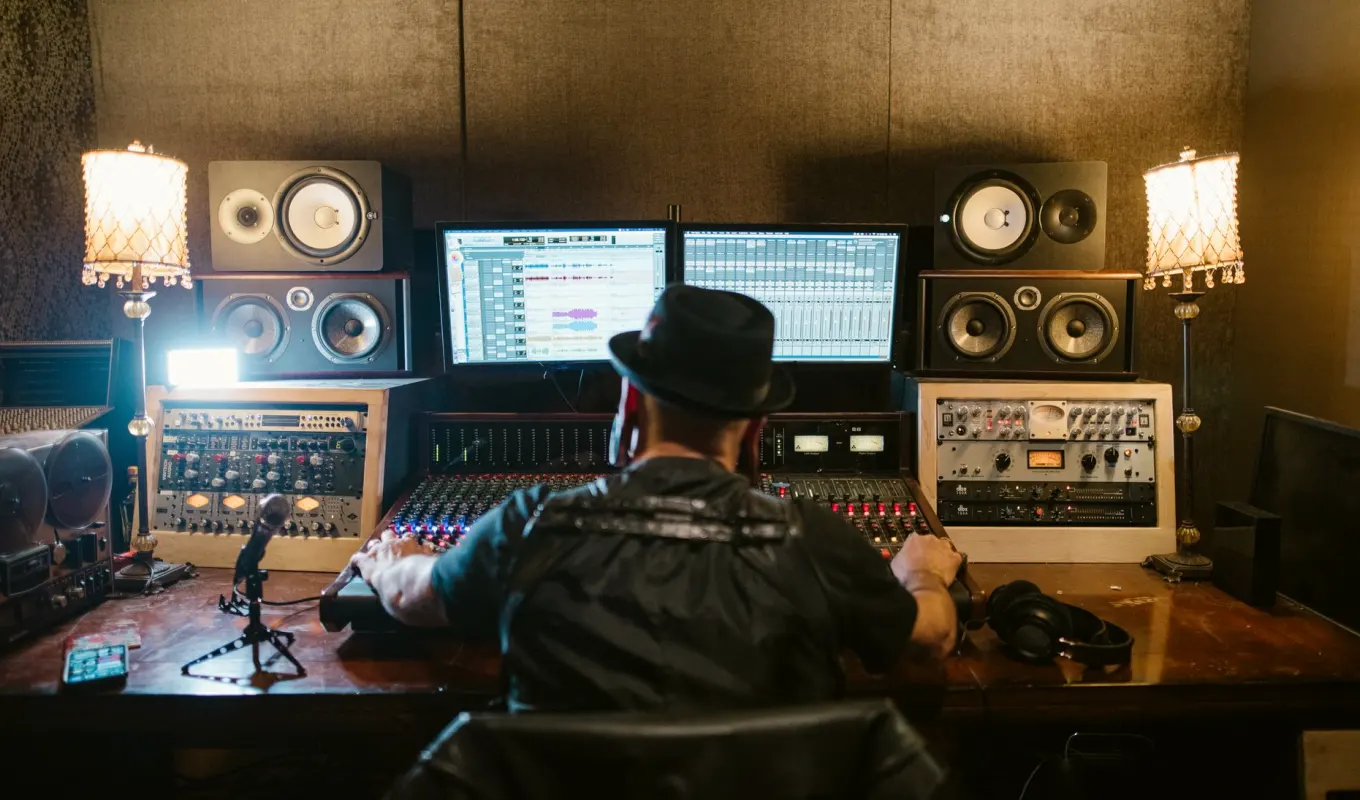
What changes in our vision mixing preparation this autumn
Autumn is when many venues move from outdoor festival stages back to theatres, halls and converted warehouses, and that shift has changed how we prepare our multi-camera vision mixing work. Rooms are smaller, ceilings are lower and cable runs are shorter, but the number of sources often stays the same. A concert that used four cameras in a field may now need the same four plus a lectern feed and a graphics machine in a space where the gallery is a corner behind the sound desk.
So we have moved more of the thinking to before we arrive. Hannah sends a short questionnaire to the organiser, Priya reads the running order, and I check what the venue can actually carry in terms of network and power. By the time the flight cases are loaded, the switcher layout for the show is already drawn up and agreed in writing.
None of this is complicated. It is simply done earlier than it used to be, and it is written down so that everyone on the crew sees the same plan.
Building the source list and the switcher layout
The first document we make is a source list. Every camera, graphics output, playback machine and any outside feed gets a number, a name and an owner. Priya then lays these out across the switcher buttons so that the most used cameras sit under her fingers, and the rarely used sources, such as a locked-off wide or a venue screen feed, sit at the edges.
We keep the layout the same from job to job wherever we can. An operator who has cut one of our shows should be able to sit down at another and find the wide shot, the stage-left camera and the graphics in familiar places. That consistency matters more than any clever arrangement, because the quietest gallery is the one where nobody has to hunt for a button.
Where a show needs something unusual, such as a split screen for a duet or a picture-in-picture for a speaker, we build that as a stored effect and test it before doors open.
- One number and name for every source
- Frequently used cameras within easy reach
- Stored effects tested before the audience arrives
Talking through the camera plan with the director
A good cut starts with a shared idea of what each camera is for. Before rehearsal we sit down with the director or the organiser and go through the camera plan position by position. Which camera owns the singer, which one follows the drummer, which one holds the audience reaction, and who gets the crane or the roaming handheld when the music lifts.
This conversation is where most problems are caught. If two cameras are both expected to cover the same performer, the vision mixer ends up choosing between near identical shots, and the cut feels indecisive. If nobody is covering the keyboard player, the show loses a whole layer of what is happening on stage.
We write the plan on a single page and share it with the camera operators too, so that everyone on talkback understands the same names for the same shots and the calls from the gallery land quickly.
What happens in the rehearsal and the line check
Rehearsal is where the plan meets the room. We run a line check first, confirming that every camera appears on the right input, that the colour matches across the shots and that talkback reaches everyone without clipping. Tom checks the outputs that leave the room, whether they go to a screen in the hall, a recording or a stream, so that a fault in one path does not surprise us later.
Then we cut the soundcheck as though it were the show. Priya practises the transitions, the director calls shots, and we note any camera that is late or any moment where the song surprises us. Often a band plays a song differently from the recording, and it is far better to learn that at four in the afternoon than during the first chorus.
We keep a short list of changes and apply them to the layout before the doors open.
- Line check of every input and output
- Colour and exposure matched across cameras
- Soundcheck used as a full cutting rehearsal
Keeping the gallery calm once the show is live
During transmission, the aim is a gallery in which very little needs to be said. The director calls a shot, the vision mixer takes it, and the camera operators already know what comes next because the plan has told them. When something unexpected happens, a guitarist stepping off stage or a lighting change that washes out a camera, we have a stated way of handling it rather than improvising a new process under pressure.
We also leave room in the schedule for the unglamorous things: water for the crew, a clear view of the monitors, headsets that fit, and a walkway that nobody trips over in the dark. A comfortable operator makes better decisions across a two hour show than one who has been squeezed into a corner.
If the show is also being streamed, Tom watches the delivery on a separate monitor so that the cut and the stream stay in step.
What organisers can do to help us prepare
The most useful thing an organiser can send is the running order, even if it is rough. Knowing where the speeches fall, where the headline act appears and where a break is planned lets us shape the cut around the real event rather than a guess. A list of any pre recorded material, with the file format and length, saves a surprising amount of time on the day.
It also helps to tell us early about the room: where the gallery can sit, how far the cameras are from it and whether there is a house network we are allowed to use. A short phone call with Hannah usually settles all of this in a few minutes.
If you are planning a show for the coming weeks, get in touch through the contact page and we will go through the preparation with you step by step.
- Running order, even if still changing
- Details of any pre recorded material
- Gallery position and available network
Preparing a multi-camera cut is mostly a matter of deciding things early and writing them down: the source list, the switcher layout, the camera plan and the changes from rehearsal. With those in place the live show becomes a calm piece of work for everyone in the gallery. If you have an autumn concert or stage event coming up, we are glad to talk it through, and Hannah can arrange a call at a time that suits you.