
Replay mistakes that cost a show its best moment, and how to avoid them
Most replay errors happen before the cue is called: poor angle choices, thin preparation and unclear talkback. Here is what goes wrong in the gallery and the habits that prevent it.
· · 5 min read
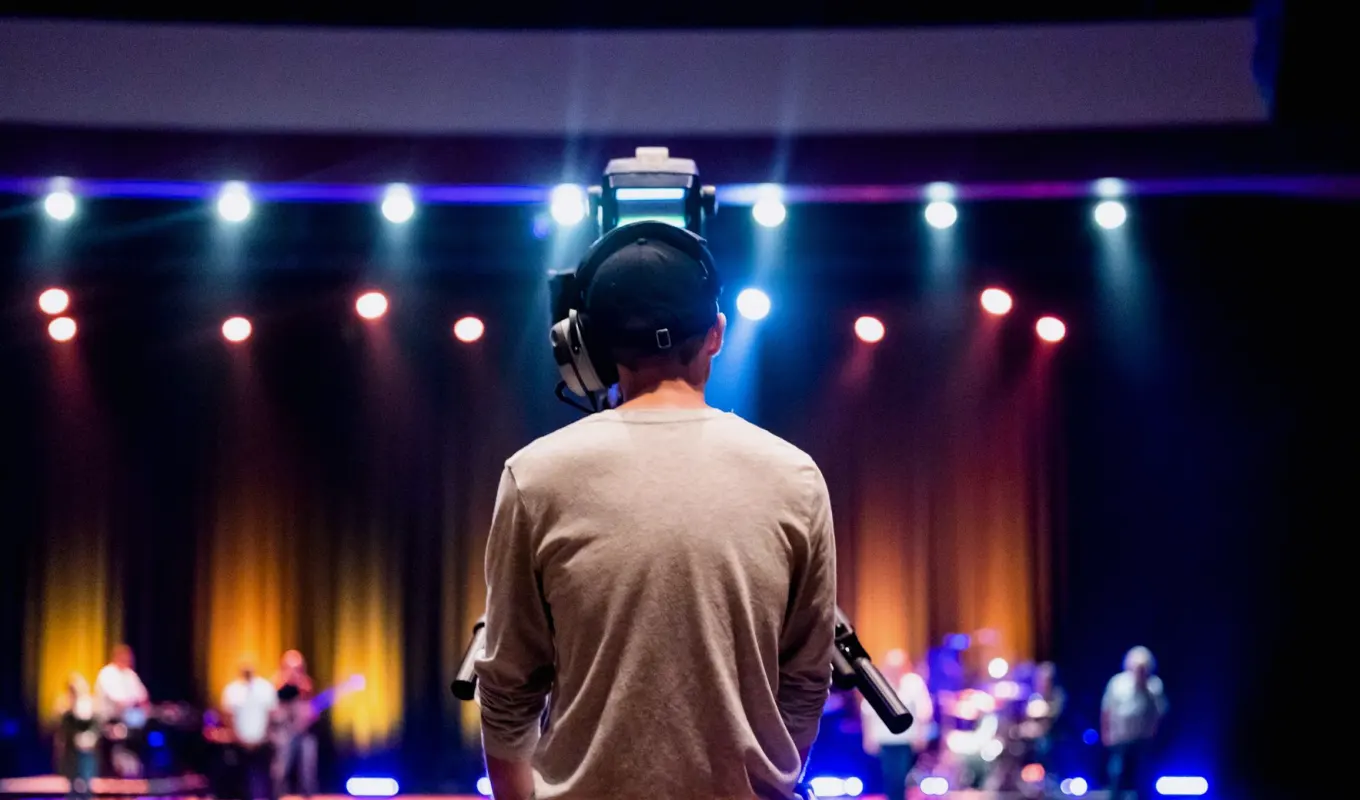
Treating replay as an afterthought
The commonest mistake I see is a replay operator who is introduced to the production an hour before doors. The director has a plan for the cameras, the graphics and the running order, yet nobody has agreed what the replay is for. Is it a repeat of a goal, a close look at a guitar solo, a reaction shot from the crowd? Each needs a different way of working, and each asks something of the camera crew.
The fix is simple and costs very little: put the operator in the room at the first rehearsal, with the same talkback channel as everyone else. Replay is a live position, not a back-office job. When the operator hears how the director calls shots, they learn the rhythm of the show and can anticipate where a repeat will fit without breaking the flow.
- Bring the replay operator into the first rehearsal
- Agree the purpose of replays before the show, not during it
- Give the operator a full talkback channel
Recording too few angles, or too many
A replay is only as good as the angles that were recorded. Some productions feed the server a single wide camera to save on kit, then wonder why the repeat looks no different from the live picture. Others record every source, and the operator drowns in choices at the moment a decision is needed in seconds.
I prefer to settle on a small, deliberate set: usually the main wide, a tight camera that follows the action, and one position with an unusual view. Anything beyond that must earn its place. On a festival stage the tight camera on the front line often gives the best slow motion, because movement fills the frame and detail shows. Choose the angles in rehearsal, label them clearly, and keep the same layout for the whole day.
- Record a few purposeful angles, not every source
- Label inputs clearly on the replay controller
- Keep the layout unchanged throughout the day
Missing the cue because the call was vague
Talkback is where replays are lost. A director who says 'did you get that?' gives the operator nothing to work with: no angle, no length, no destination. By the time the question is answered the moment has passed, and the next live cue is already due.
Agree a short vocabulary before the show. Something like 'replay, camera two, last ten seconds, slow' contains everything the operator needs. Equally useful is the operator's reply, a brief confirmation that the clip is ready and how long it runs, so the director knows when it can go to air. The words matter less than using them every time. A calm, repeatable call keeps the gallery relaxed, and relaxed people make fewer errors when the pace picks up.
- Call the angle, the length and the speed together
- Have the operator confirm when the clip is ready
Choosing the wrong speed for the moment
Slow motion is tempting, and it is overused. A repeat at a fraction of normal speed suits a quick, sharp event such as a kick, a jump or a drumstick hit. It drags badly on a slow build, like a singer walking to the front of the stage, where normal speed shows the same thing without wasting airtime.
The operator should decide the speed by asking what the viewer needs to see. If the answer is detail, slow it down. If it is context or atmosphere, play it at normal speed or only slightly reduced. It also helps to keep replays short. A clip that outstays its point gives the audience time to wonder what they are missing live. Short, well-chosen repeats feel generous; long ones feel like filler.
- Slow motion for fast, sharp action only
- Keep clips short and to the point
Forgetting the plan for when things go wrong
Servers fill up, files fail to index and a cable gets nudged in the dark. None of this is unusual, and the mistake is not that it happens but that nobody has agreed what to do. A replay operator who loses a clip mid-show should say so at once, in plain words, rather than hoping to recover it quietly while the director waits.
Before transmission we check that storage has room for the full running time, that recordings are starting on every input, and that the output reaches the vision mixer cleanly. We also agree a fallback: if replay is unavailable, the director carries on with live cameras and nobody is flustered. That small piece of preparation is what keeps a technical fault from becoming a visible one.
- Check storage capacity against the running time
- Confirm recording is active on every input
- Agree a fallback before going live
Skipping the review after the show
Once the last cue is called, everyone wants to pack up. That is exactly when the most useful lessons are available. A short conversation with the director and operator about which replays worked, which came too late and which angle was never used will improve the next production more than any amount of new kit.
Make a note of the cues that were missed and why. Often the cause is small: an input labelled differently from the director's script, or a camera operator who did not know a replay depended on them holding a shot. Written down, these points become part of the preparation for the next job, and the gallery gets quieter and more confident each time.
- Hold a brief review with director and operator
- Record missed cues and their causes
Good replay work is mostly preparation, not speed of hand. Bring the operator in early, choose a few angles on purpose, agree the words used on talkback, match the speed to the moment, plan for faults and review the day afterwards. None of it needs special equipment, only attention before the show, which is where the best repeats are decided long before anyone presses a button.