
Talkback and cue calls: how a technical director keeps a show moving
A plain-words explanation of talkback, standby and cue calls, the short phrases a technical director uses so cameras, mixer and stage all act on the same instruction at once.
· · 7 min read
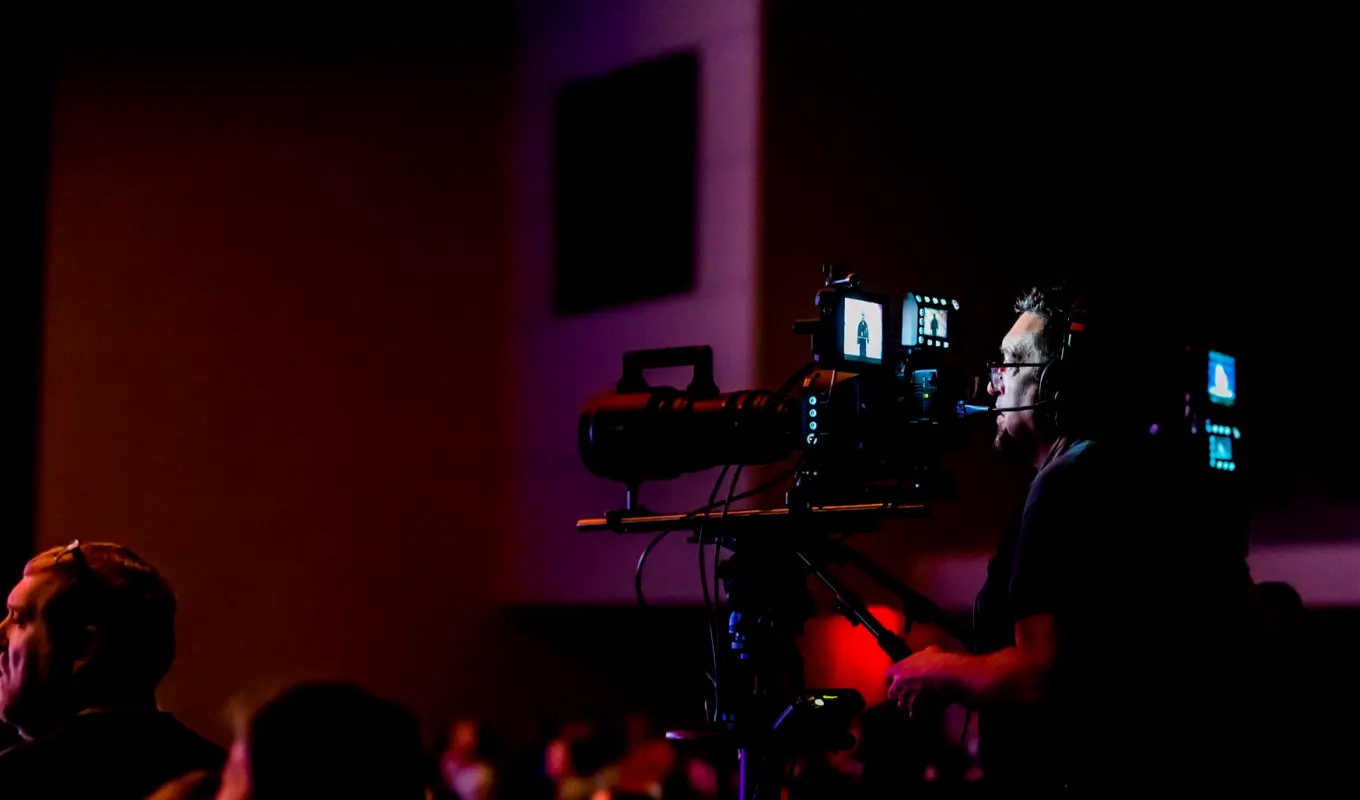
What talkback actually is
Talkback is the private intercom line that connects the people making a live show: the technical director, vision mixer, camera operators, sound, graphics and often the stage manager. Nobody watching ever hears it, but it carries every instruction that shapes what they see. In a small gallery it can be as simple as a few belt packs and a mixing unit; on a festival stage it may run across several buildings. The point of the system is speed and certainty. A camera operator frames a shot without seeing the programme output, so they rely on a calm voice in their headset to say what is wanted and when. Without a clear talkback line, operators guess, and guessing on a live show shows on screen.
In practice talkback is organised into channels, so that not everyone hears everything. Camera operators might share one channel, while audio and stage management sit on another. The technical director can speak to all of them at once or pick one, and that choice matters more than people expect. A joke meant for the gallery that lands in a camera operator's ear just before a cue is a small mistake with a real cost.
- Talkback is a private line, never part of the broadcast
- Channels keep unrelated chatter away from busy operators
- The technical director decides who hears each instruction
The standby and the take
Two words do most of the work in a gallery: standby and take. A standby is a warning. When the technical director says standby camera two, that operator knows their shot is about to go to air and holds it steady. The take is the moment of action, when the vision mixer cuts to that camera. Standby comes first, then a short pause, then the take. The warning exists because nobody can react instantly. A camera operator needs a second or two to settle focus, check the edge of the frame and stop adjusting. Giving that notice means the picture on air is already composed when it appears, rather than being corrected in front of an audience.
Keeping these two words distinct is a matter of discipline. A technical director who says take when they mean standby can send an unprepared shot out live. Teams practise the rhythm in rehearsal until it becomes automatic, and the best galleries sound almost dull as a result: the same short phrases, in the same order, delivered at an even pace. That evenness is the whole purpose, because it leaves room for the unexpected.
Calling shots ahead of time
A good technical director does not react to the show; they stay a few seconds in front of it. Reading a running order, watching the stage and listening to the music, they call shots before they are needed. Camera three, you are next on the singer. Camera one, loosen to the full band for the chorus. Each call gives the operator time to find the shot instead of scrambling for it. This forward calling is also what keeps a production on schedule. If a segment overruns, the technical director is the one who notices first, tells the vision mixer to hold a wide shot, and warns graphics that the next caption will arrive late. The whole gallery adjusts together because one person is holding the timeline.
Preparation makes this possible. Before doors open, the technical director walks through the running order with each operator, agreeing which camera covers which moment and what to do if a performer moves unexpectedly. Those agreements are then compressed into short calls during the show. A phrase such as two on the drummer is only meaningful because everyone settled earlier what two on the drummer looks like.
- Call the next shot before the current one ends
- Agree camera roles in rehearsal, then use short phrases live
- Watch the stage as well as the monitors
Keeping the language short and fixed
Live galleries use a small, fixed vocabulary on purpose. Phrases such as ready, go, hold, clear and stand by each mean one thing and nothing else. Longer sentences are slower to say, easier to mishear over a noisy stage, and open to different readings. A technical director who keeps to the agreed words gives every operator the same instruction in the same form, which removes a whole category of confusion. Crews that work together often do this without noticing, but a new team or a guest operator needs it set out clearly. A brief word at the start of the day, covering the few terms that will be used and what each one means, saves a surprising amount of trouble once the show is running.
Tone matters as much as wording. A technical director who raises their voice when something goes wrong makes every operator tenser and more likely to make a second error. A steady, level delivery does the opposite. When a camera loses its signal or a graphic fails to appear, the best response is a calm instruction naming the fallback and the next step. The gallery follows the voice it hears, so the voice should be one worth following.
- One word, one meaning, used the same way all show
- Say the camera number first, then the action
- Stay level in tone even when a source fails
Where crew roles meet the intercom
Technical direction is more than speaking into a headset. The technical director also checks that every camera, monitor and talkback pack is working before the show, that the running order is agreed, and that each crew member knows where to go if a problem appears. The intercom is simply where all of that preparation turns into live action. On a larger job the technical director works alongside a production manager, who plans schedules and crew in advance, and a streaming engineer, who watches the delivery chain. Each has their own channel and their own concerns, and the technical director is the person who keeps those threads from tangling during the show itself.
For event organisers, this is worth understanding because it explains why a technical director asks for a rehearsal and a copy of the running order. Those requests are not formality. They are the raw material for the calls that will be made on the night. An organiser who shares changes early, such as a swapped act or an extra speech, gives the gallery time to adjust, and the result on screen is smoother for everyone watching.
- Check every camera and headset before doors open
- Share running order changes as early as possible
- Know who handles streaming, graphics and stage cues
Learning the calls yourself
Anyone who works in or near a gallery picks up this language quickly, because it is small and consistent. Sitting behind a technical director for one full rehearsal teaches more than reading about it: you hear the standby, the pause and the take, and you begin to anticipate the rhythm.
Operators who learn the pattern tend to follow instructions faster and ask better questions. If your own team is new to live production, a practical session with a real talkback system is the quickest way to build confidence. Practising the calls on a quiet rehearsal, where mistakes cost nothing, makes the real show feel familiar rather than frightening.
Talkback, standby and take are simple words, but together they turn a group of separate people into a single crew. A technical director's value lies in how steadily and clearly they use them, calling shots early, keeping language fixed and holding the schedule. For organisers, the practical lesson is to share plans early and rehearse properly. A quiet gallery with short, even calls is usually the sign of a show that is under control.